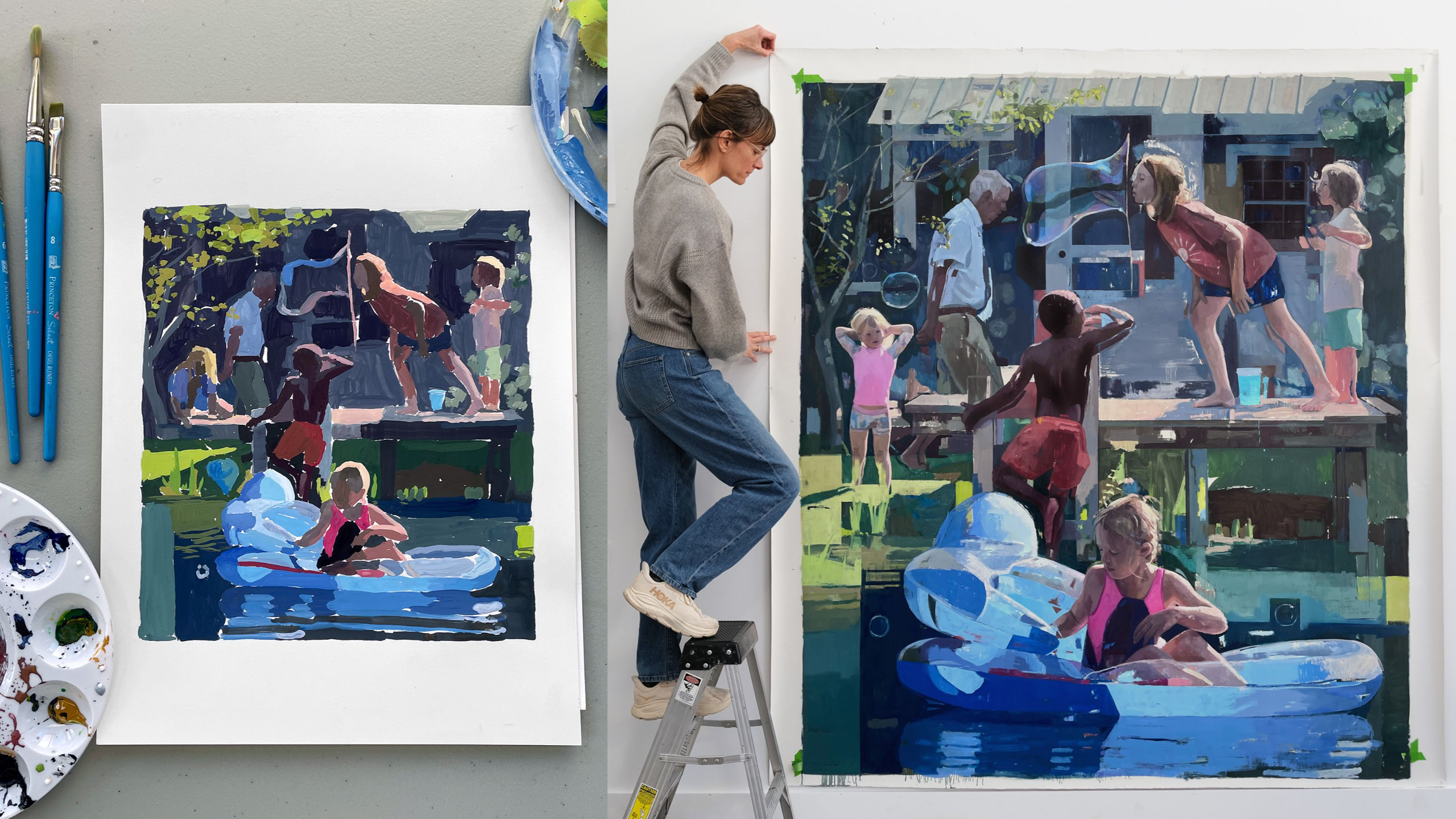
From Photo Reference → Composition → Finished Painting
Sold Out
Spring Cohort: The Narrative Painting Method
Learn the full process I use to find inspiration, design and scale up my paintings from the first idea to the final painting.
This method is for painters who want to develop stronger compositions and finish more ambitious paintings with confidence.
You'll learn how to:
- Take better photo references
- Build stronger compositions
- Use a drawing guide to fix structural problems
- Develop nuanced color relationships
- Solve problems mid-painting
- Finish complex paintings with confidence
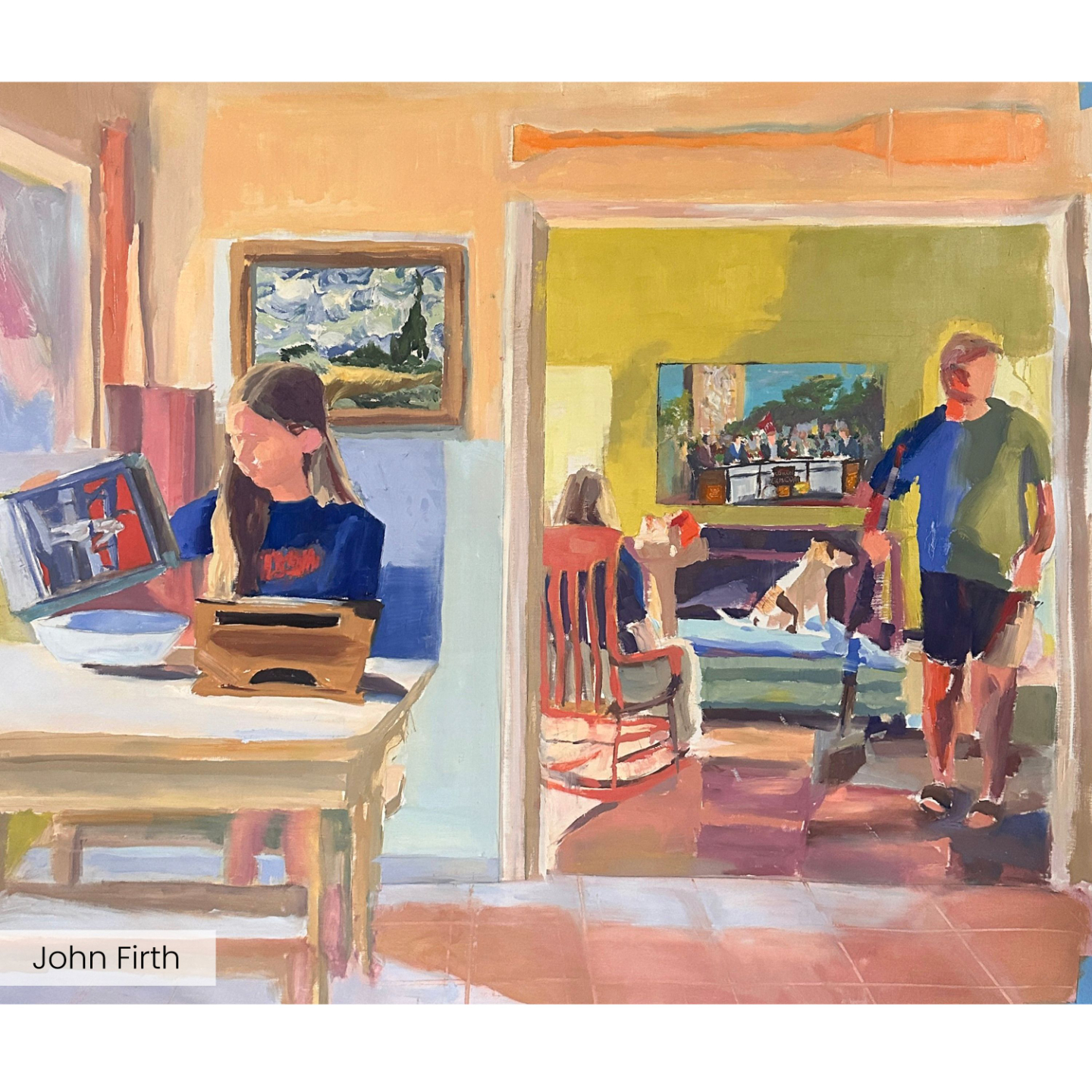
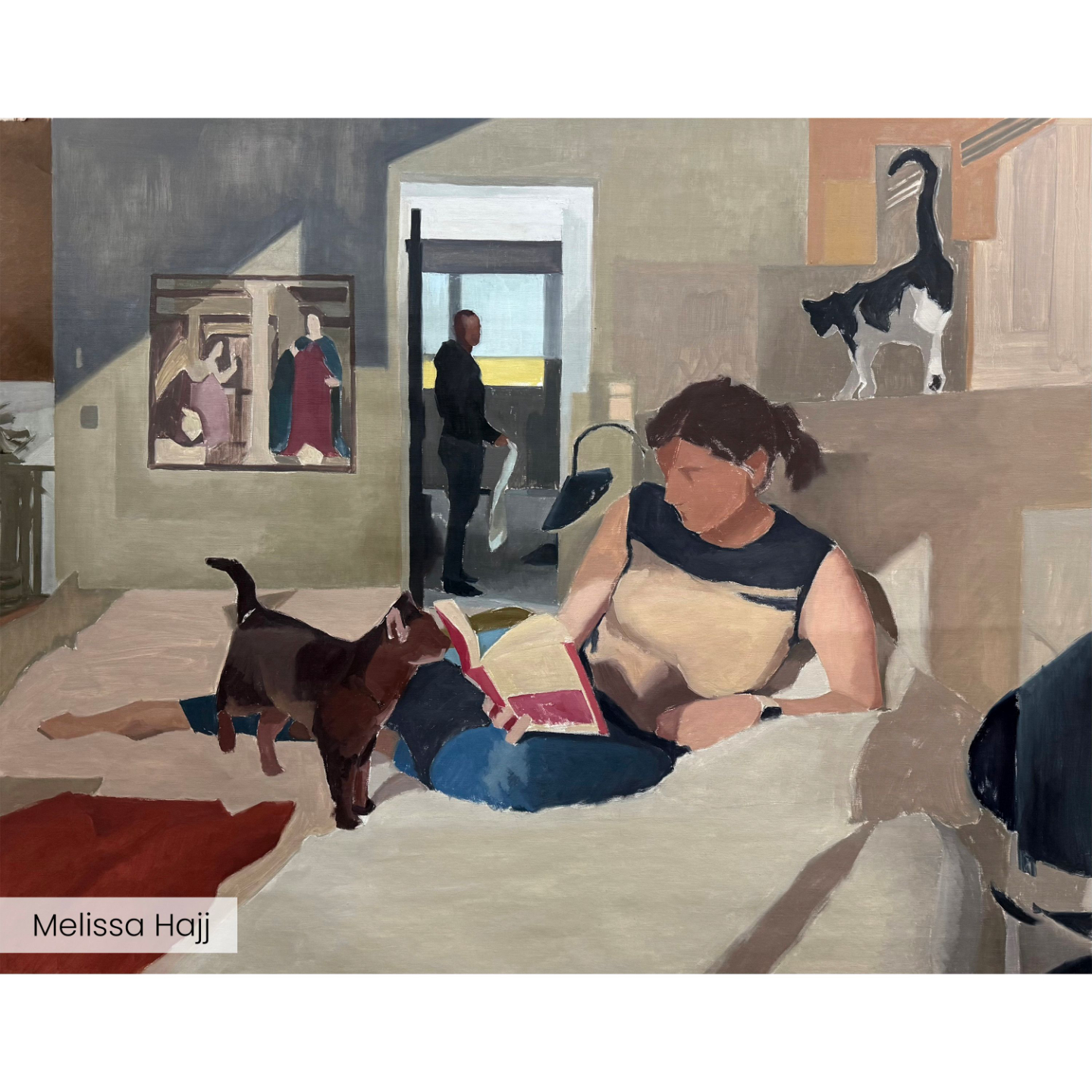
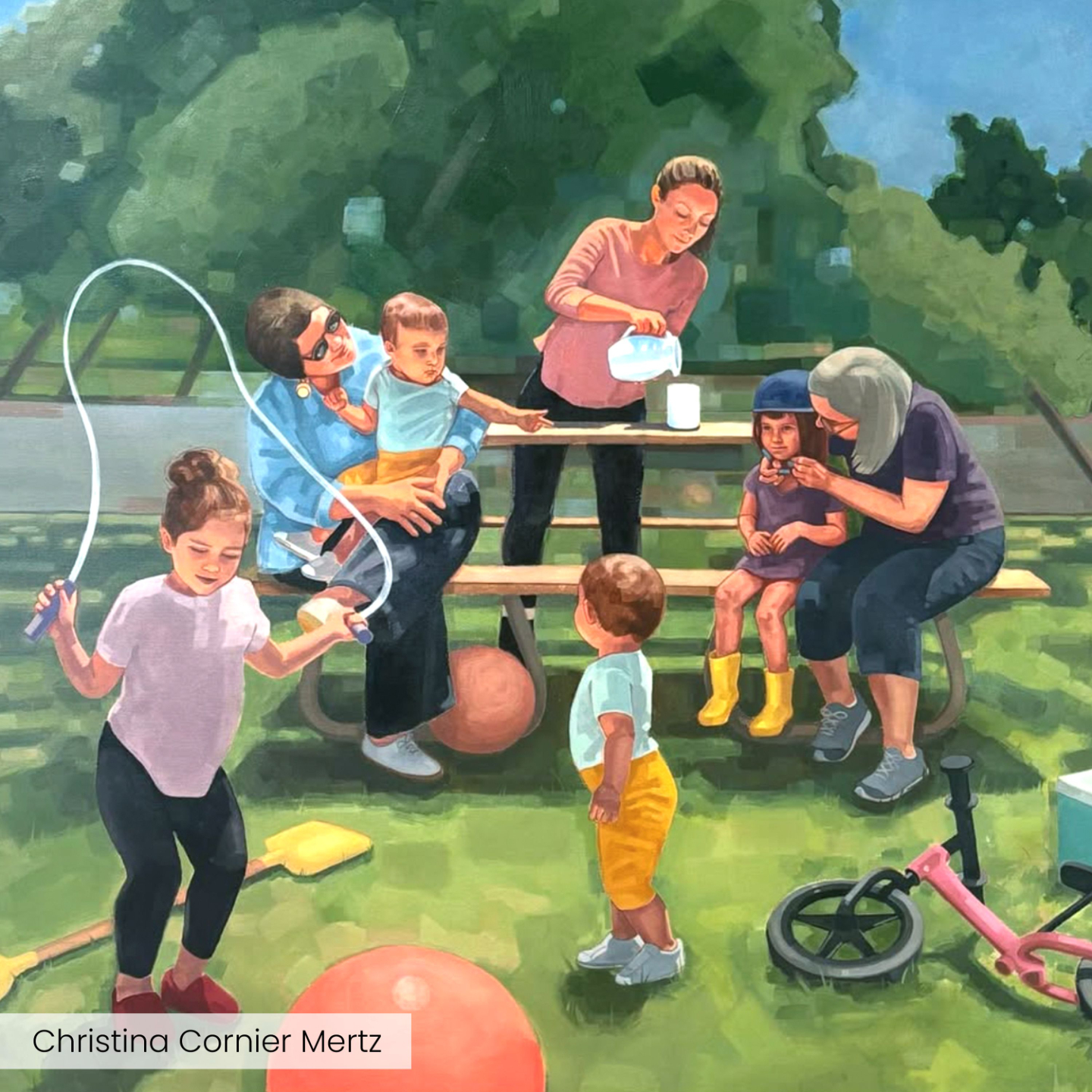
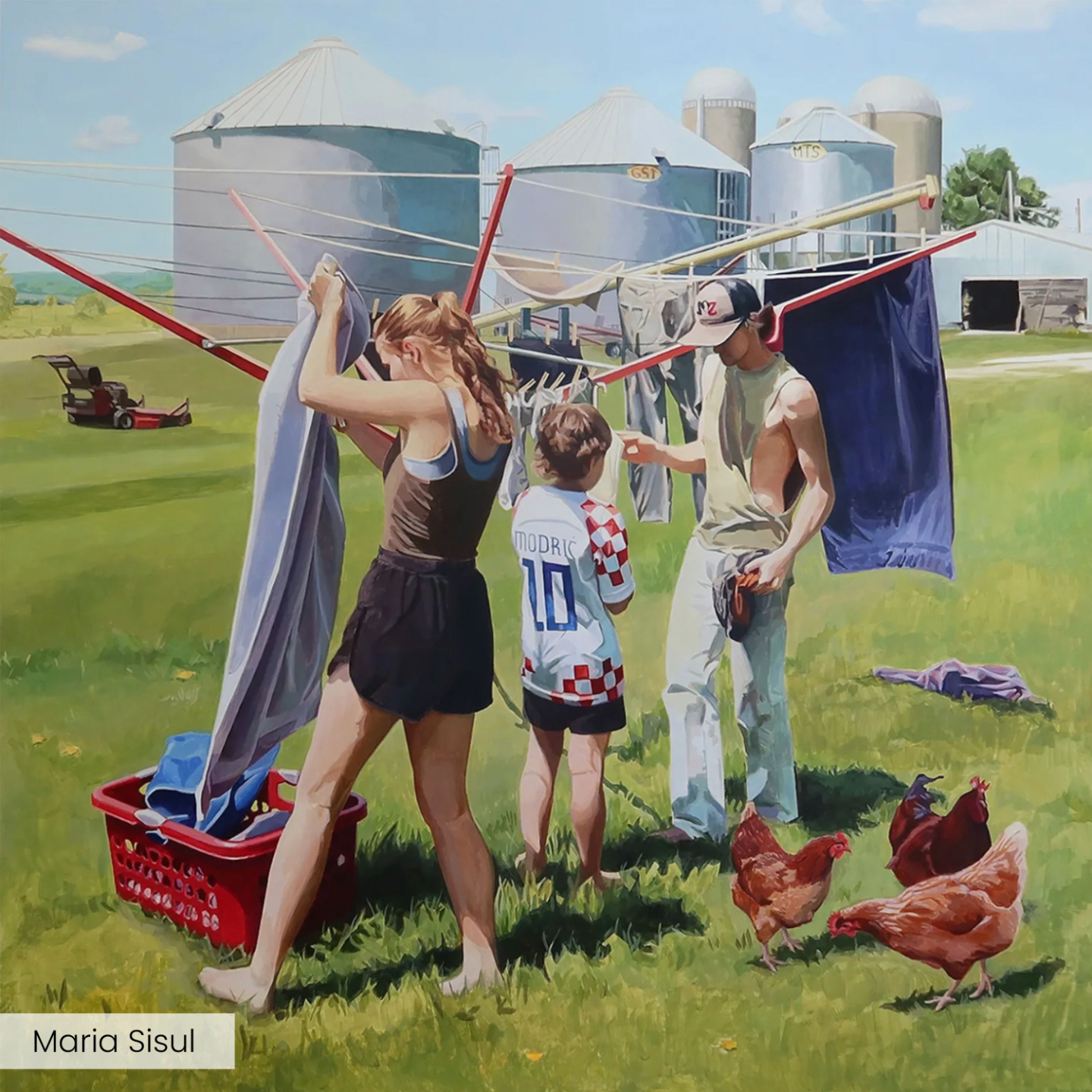
Work from Past Students
Artists work from their own photo references and develop fully realized narrative paintings.
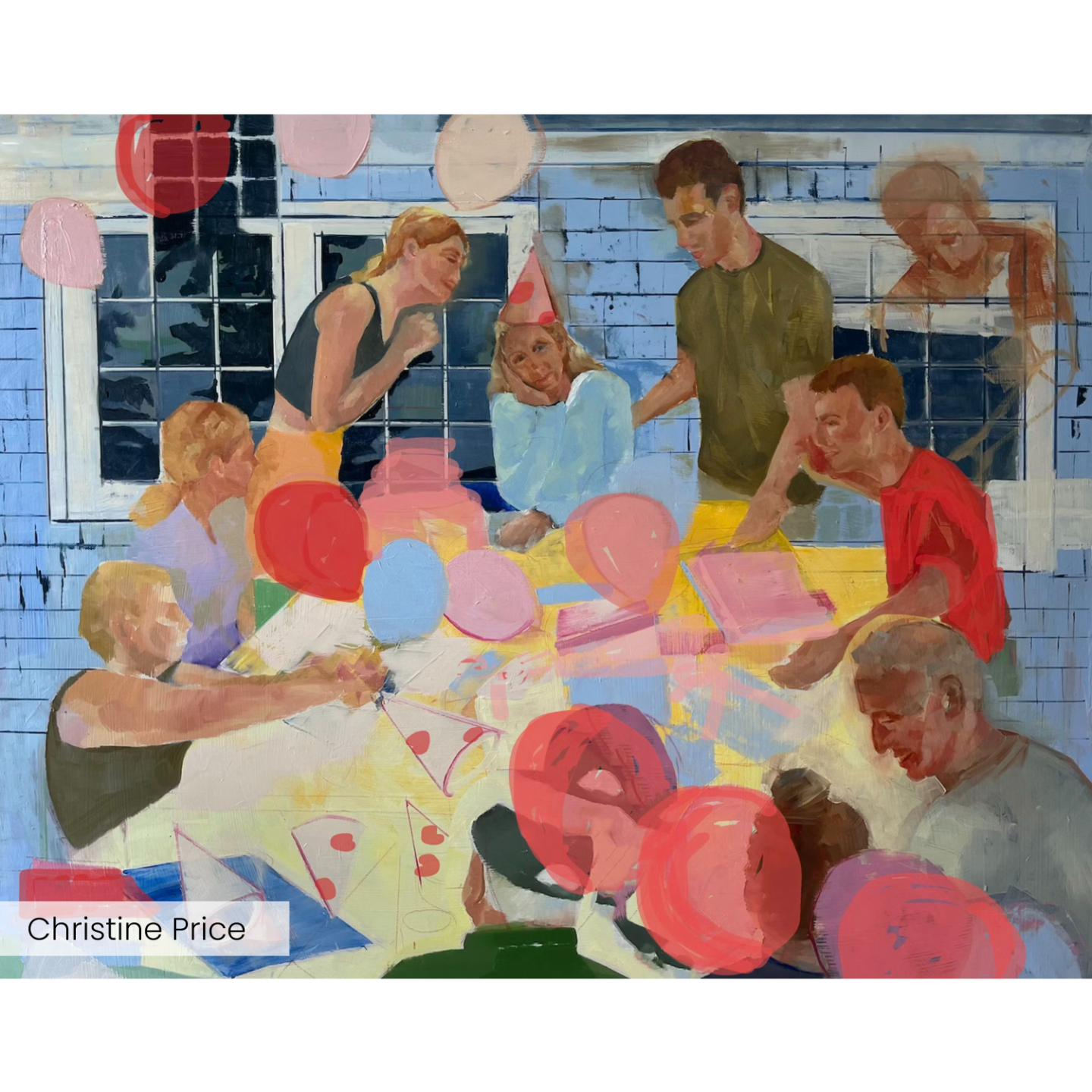
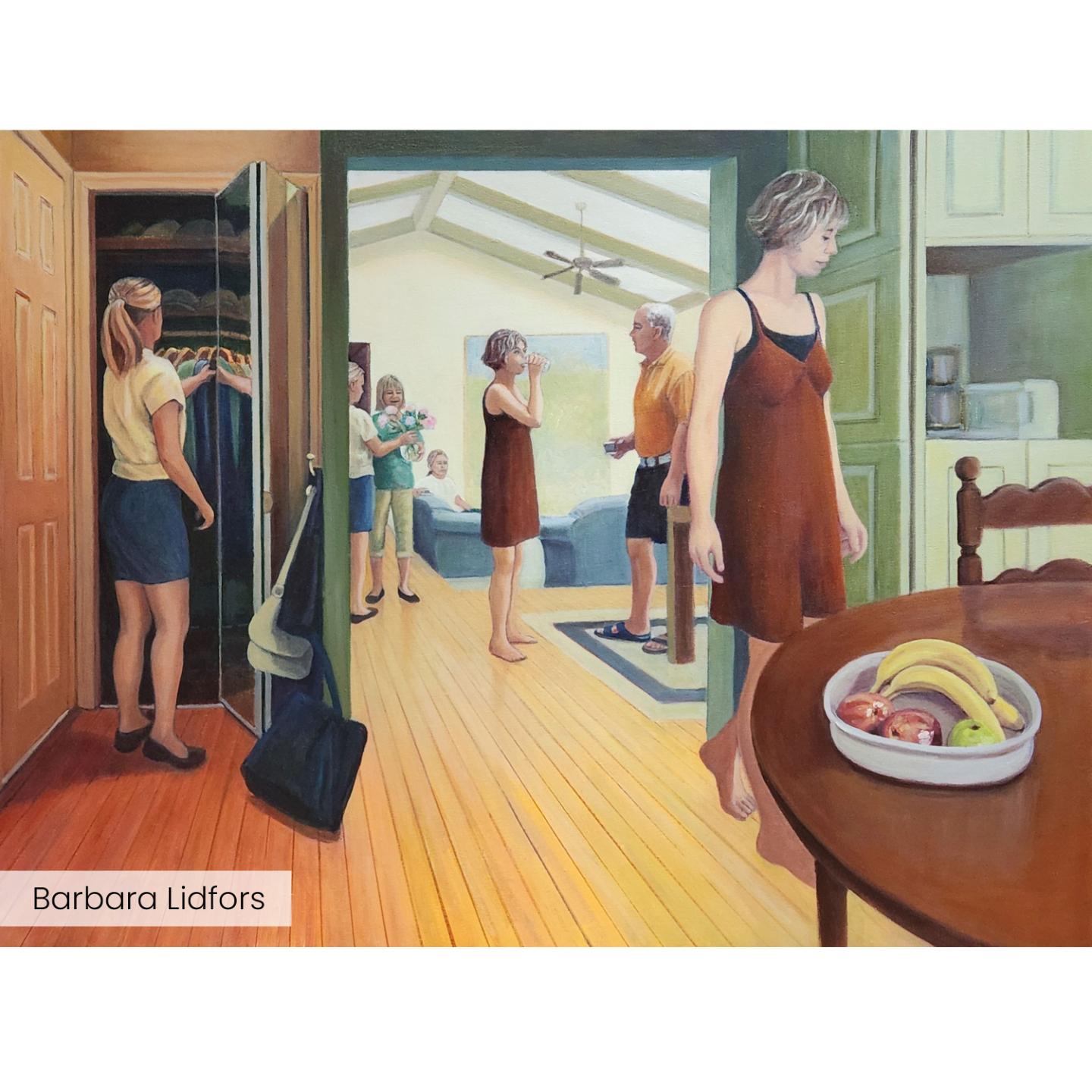
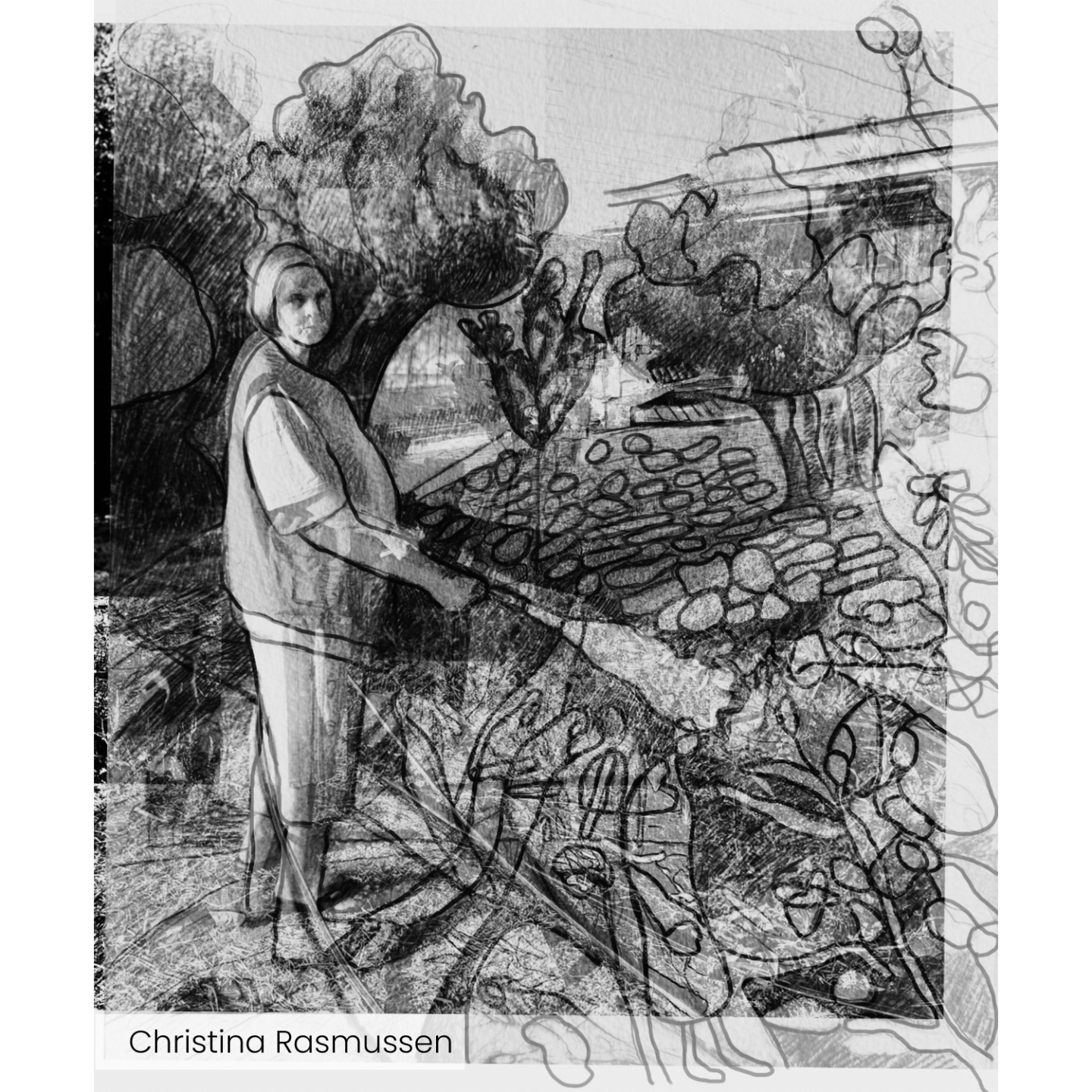
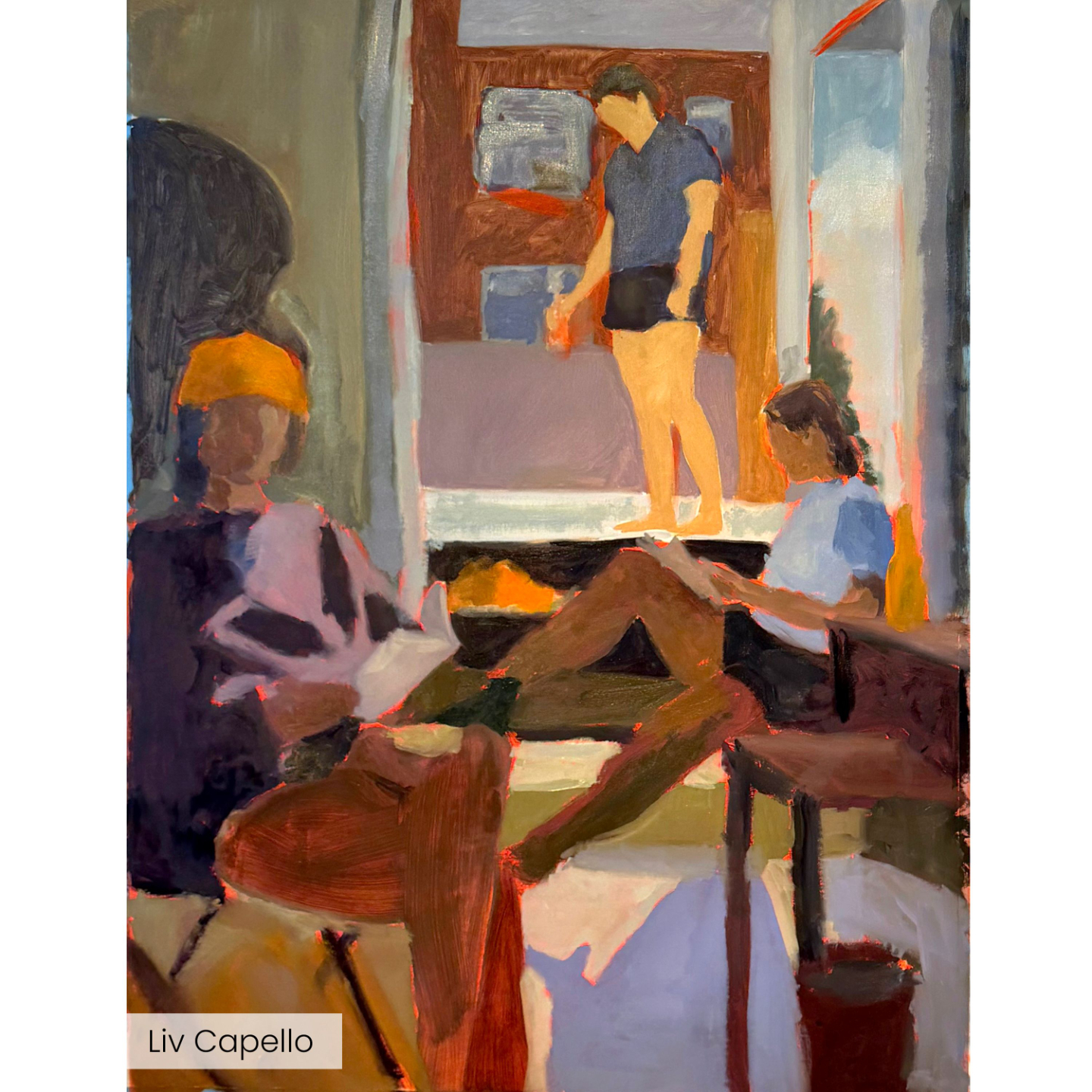
What Painters Say About the Course
Barbara L.
I had previously mastered my own ‘cut and paste’ method… but your course prodded me to learn proper techniques for using Photoshop. A big WIN for me going forward.
Christina R.
This is probably the messiest most freeing underpainting I have ever done… something is shifting in me… I loved working bigger. I may never go smaller again.
Erin K.
Before this course I didn’t have a consistent painting habit. Now I’m working almost every night. Caitlin gave me structure and clear checkpoints so I could move forward instead of staring at the canvas wondering what I was doing wrong.
8 Week Curriculum
Weeks 1-2: Attention + Inspiration
Learning to make space for ideas to arrive & takeing reference photos with intent. We move beyond casual snapshots and start collecting the specific visual information needed for painting.
Weeks 3-4: Narrative Architecture
Melding multiple realities into one cohesive, structurally sound composition. Then we check our values and colors on a small scale to ensure the large canvas will succeed.
Weeks 5-6: Cover Your Canvas
Breaking the "blank canvas" paralysis with a confident, intuitive first pass.
Weeks 7-8: Precision & Poetry
Implementing my "projector-free" method for accurately editing and refining your lines. Then, the finishing touches. Knowing what to leave out and what to define.